Precision Matters: How a Premium Cutter Improves Flavor
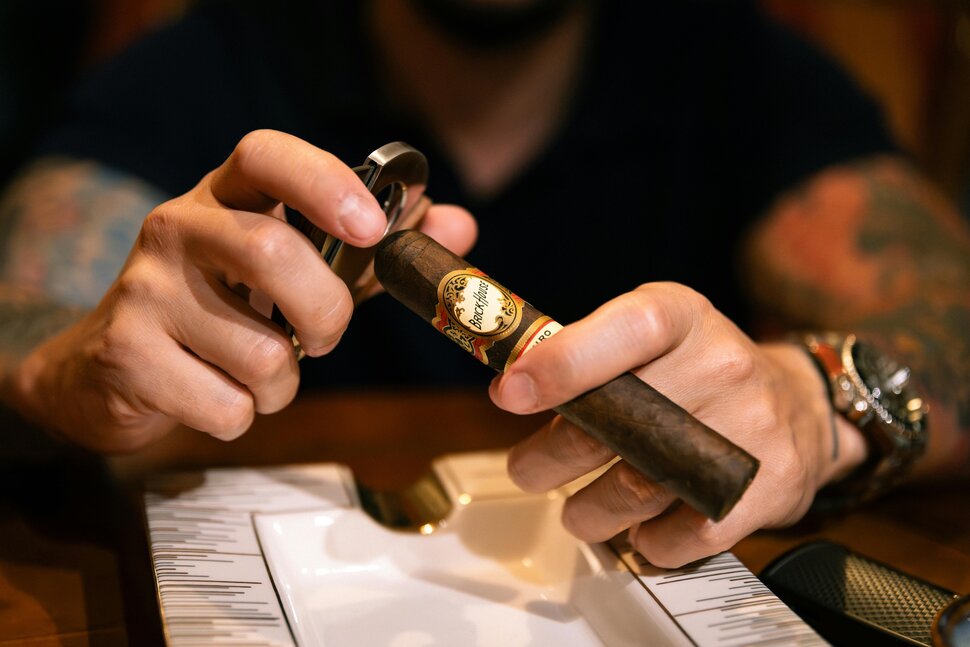
Why the Cut Is the First Flavor Decision
Before the first puff, your cigar’s performance is set by one small moment: the cut. You can pick a world-class blend, store it perfectly, and still end up with muted cigar flavor, harshness, or constant touch-ups if the cap is crushed, torn, or cut unevenly. A clean opening at the head of the cigar regulates airflow, protects the wrapper, and helps the cigar burn evenly. That’s why experienced smokers often say the cutter matters as much as the cigar.
A premium cigar cutter isn’t about luxury for its own sake. It’s a tool designed to make a precise, repeatable cut with minimal damage so the cigar lights better, draws consistently, and delivers the flavors the blender intended.
How Cut Affects Cigar: Airflow, Burn, and Taste
To understand why the best cigar cutter can improve your experience, it helps to connect the mechanics of a cut to what you taste.
- Airflow (draw): The size and cleanliness of the opening determine the cigar draw, how much air passes through the filler. Too tight, and flavors can feel sharp, hot, or bitter because you’re pulling harder and overheating the smoke. Too open, and smoke can feel thin, warm, and less concentrated.
- Burn line: A damaged head can cause you to puff harder or more often to keep it lit. That added heat can wash out nuanced flavors, emphasize harsh notes, and increase the chance of tunneling or canoeing.
- Wrapper integrity: The wrapper is delicate and carries a significant portion of aroma and flavor. A torn wrapper near the head can unravel, leading to uneven combustion and a less enjoyable mouthfeel.
- Tar and moisture management: When airflow is constrained by a jagged cut, the cigar can accumulate more moisture and tar near the head, creating sour or bitter puffs. A clean opening helps smoke and condensation pass more predictably.
Put simply, how cut affects cigar performance is direct and measurable. When the cut is clean, the cigar does what it’s supposed to do: burn steadily and deliver a stable flavor profile from start to finish.

What Makes a Cutter “Premium” (and Why It Shows in the Smoke)
A quality cigar cutter is defined less by brand name and more by how it behaves at the moment of contact with the cigar. Premium designs focus on consistency, alignment, and blade sharpness, because anything less creates crushing and tearing.
1) A truly sharp blade (not just “new”)
A sharp cigar cutter slices cleanly through the cap in one smooth motion. Dull blades pinch first and cut second, compressing the head and damaging wrapper fibers. That compression can create a partially blocked opening even when the cut looks fine.
A sharp blade improves flavor indirectly by improving draw and reducing the need to over-puff. The less you fight the cigar, the less heat you introduce, and the cleaner the flavor stays.
2) Blade alignment and rigidity
Many cutters feel solid until you look closely at what they do to a cigar. If the blades don’t meet evenly, they can “V” the cut unintentionally or shear the cap at an angle. Misalignment is a major cause of wrapper splitting at the head.
Premium cutters are built to keep the blade path straight and stable so the cut remains centered and predictable, which is especially important on larger ring gauges or firmer cigars.
3) A smooth, decisive action
A clean cut is usually a quick one. Hesitation (often caused by sticky hinges, weak springs, or a flimsy frame) increases the chance you crush the cap before the blade finishes. Premium mechanisms encourage a confident single motion, which reduces tearing.
4) The right opening and depth control
Great cutters are designed around common cigar sizes and typical cap construction. If the opening is awkwardly tight or the cutter is hard to position, it’s easier to cut too deep. Cutting too much removes the cap structure and can cause unraveling, ruining the draw and making the cigar messy.
Guillotine, V-Cut, or Punch: How Each Cut Shapes Flavor and Draw
The goal of any cut is to create a stable opening without damaging the wrapper. But different cut styles shape airflow differently, which can change how smoke feels on the palate and how concentrated flavors seem.
Straight cut (double guillotine)
A straight cut is the most common and, for many smokers, the most versatile. It creates a broad opening that typically produces an effortless cigar draw. Because airflow is more open, smoke volume is often higher, which can bring out sweetness and aroma, assuming the cigar isn’t already loose.
When executed with a premium cigar cutter, a straight cut also minimizes the chance of wrapper damage. It’s a solid default if you want the cigar to taste as intended and you’re still dialing in your preferences.
V-cut
A V-cut creates a wedge-shaped channel. Many smokers find it concentrates smoke and focuses flavors, especially on cigars that feel slightly loose with a straight cut. It can also reduce loose tobacco in the mouth compared to an overly deep straight cut.
The tradeoff is that a poor V-cut can crack the cap or concentrate pressure on a small area of wrapper. This scenario is where a quality cigar cutter makes a big difference: clean geometry and sharp edges help the wedge form without tearing.
Punch
Punches create a small circular opening. They often work well on medium-to-large ring gauges and cigars with sturdy caps. A punch can slightly restrict airflow, which may intensify certain flavors and slow the burn. But if the cigar is already tight, a punch can make it frustrating and hot because you have to pull harder.
If you prefer a punch, be mindful that a clean, centered punch is critical. Off-center punching can weaken the cap and encourage splitting.

Cigar Cutting Technique: A Simple Method for a Clean, Repeatable Cut
Even the best cigar cutter can’t fix a rushed technique. The good news: a consistent cut is easy once you know what you’re aiming for.
- Inspect the cap and find the shoulder. The cap is the rounded top at the head. The “shoulder” is where the rounded cap transitions to the straight wrapper. You generally want to cut above the shoulder, removing just enough cap to open the cigar without destabilizing it.
- Decide how open you want the drawer to be. If you like an easier draw, you may cut slightly more (still above the shoulder). If you prefer a bit more resistance, cut slightly less. Make small adjustments; tiny changes matter.
- Position the cutter and keep it straight. Center the cigar so the blade path is perpendicular to the cigar’s length. If you angle the cutter, you can create an uneven opening that encourages an uneven burn.
- Make one decisive cut. A slow squeeze is more likely to crush. A confident, single motion lets a sharp cigar cutter slice instead of pinch.
- Test the draw before lighting. Take a cold draw (no flame). If it’s too tight, you can remove a tiny bit more. If it’s too open, there’s no easy undo, so start conservatively.
This basic cigar-cutting technique does two things: it protects the wrapper, and it lets you dial in your preferred draw. That consistency is what keeps flavors steady from cigar to cigar.
Common Cutting Problems That Mute Flavor (and How to Avoid Them)
Problem: Tearing or “flaking” wrapper at the head
What it does: A torn wrapper can unravel, leading to uneven combustion and a harsher, less balanced profile.
Why it happens: dull blades, misaligned cutters, or cutting too deep below the shoulder.
Fix: Use a sharp cigar cutter, cut above the shoulder, and avoid twisting the cutter during the cut.
Problem: Tight draw after cutting
What it does: Forces stronger pulls, increasing heat and bitterness and flattening subtle notes.
Why it happens: Not enough cap removed, crushed head from a dull cutter, or a naturally tight-rolled cigar.
Fix: Start with a clean, straight cut. If it’s still tight, remove a small additional amount. A wider opening (or a well-executed V-cut) can be helpful for cigars that are consistently tight.
Problem: Too-open draw and “thin” smoke
What it does: Smoke can feel less concentrated, and flavors may seem washed out.
Why it happens: Cutting too much cap off, especially on cigars with softer heads.
Fix: Cut less, just the cap. If you’re unsure, take a small cut, test, then adjust. Over time, you’ll learn how different cap styles respond.
Problem: Cracked cap on a V-cut
What it does: Creates weak points where the wrapper can split, affecting burn and taste.
Why it happens: Forcing a V-cut too deep, using a dull V-blade, or cutting on very dry cigars.
Fix: Use a well-made V-cutter, keep the cut conservative, and ensure your cigars are properly humidified.

Why a Premium Cigar Cutter Can Make Flavor More Consistent
Cigar blends are engineered to unfold in stages: opening flavors, mid-palate development, and finishing notes. When your cut is inconsistent, you’re changing the airflow and burn rate—and that can change what you perceive as “the flavor” of the cigar. Many smokers blame a cigar for tasting sharp, bitter, or bland when the real issue is a damaged cap and a compromised draw.
A premium cigar cutter helps in three practical ways:
- Repeatability: You get the same size and style of cut every time, which makes the cigar’s performance more predictable.
- Less wrapper damage: Cleaner cuts reduce unraveling, touch-ups, and heat spikes that distort flavor.
- Better draw control: The cut opens the cigar without crushing the head, supporting a smooth draw and fuller smoke texture.
If you’ve ever had two cigars from the same box taste strangely different, it’s worth looking at the cut first. Consistent technique plus a quality cigar cutter narrows the variables that can obscure the cigar’s true character.
Choosing the Right Cutter Style for Your Preferences
There isn’t one cutter that’s best for everyone, but there are reliable ways to match a cutter to your habits and taste preferences.
- If you want a classic, open draw: Choose a high-quality double guillotine. It’s the most adaptable across vitolas.
- If you like concentrated flavor and a slightly firmer draw: Consider a V-cutter. Many people find it brings focus to the smoke stream without feeling restrictive.
- If you prefer a slower, more controlled draw: A punch can work well, especially on thicker ring gauges; just avoid it on cigars that already feel tight.
If you’re building a small rotation, a straight cutter plus a V-cutter covers most situations. The key is selecting a cutter that stays sharp, aligns well, and cuts cleanly because those factors affect cigar draw and cigar flavor more than the cut style alone.
Examples of Well-Regarded Premium Cutters (and Where to Find Them)
If you’re exploring options, Cigar Merchant keeps a curated selection in the Cutters collection. A few popular examples that illustrate different cut styles include:
- XIKAR Xi1 Cutter - Black and XIKAR Xi1 Cutter - Red: A classic double guillotine format built for clean, centered straight cuts.
- Colibri V-CUT Cigar Cutter - Black and Chrome and Colibri V-CUT Cigar Cutter - Black and Red: V-cut options designed to create a defined channel that can help focus smoke and flavor.
- XIKAR VX2 V-Cut - Red: Another V-cut approach for smokers who prefer that wedge-style draw.
- SMKN Palm Cut - Cigar Cutter - Champagne Finish: A compact option for those who prioritize portability while still wanting a clean cut.
Whichever style you choose, the performance goal is the same: a clean cut that preserves the wrapper and gives you the airflow your cigar needs.
Small Habits That Protect Your Cutter (and Your Flavor)
Even premium cutters can lose their edge or performance if they’re treated like a keychain tool. A few habits help keep your cutter cutting cleanly, which keeps your draw and flavor consistent.
- Keep it clean: Tobacco oils and debris can build up. Wipe blades carefully so the action stays smooth and the cut stays crisp.
- Avoid cutting anything except cigars: paper, plastic, or string can nick or dull blades quickly.
- Store it dry: Moisture encourages corrosion and stiffness in moving parts.
- Don’t force it: If a cigar is unusually hard at the head, take your time positioning. Forcing a cut increases the chance of cracking the cap.
These details might seem minor, but they support the same end result: a clean opening that lets the cigar burn at the right pace and taste the way it should.
Putting It All Together: Precision You Can Taste
A cigar’s blend can be flawless, but the experience depends on execution, starting with the cut. A premium cigar cutter gives you the sharpness, alignment, and stability needed for a clean opening. That clean opening improves the cigar draw, protects the wrapper, and reduces the heat and burn issues that can distort cigar flavor.
If you want more consistent flavor from the cigars you already enjoy, focus on two upgrades: a reliable, quality cigar cutter and a repeatable cigar-cutting technique. Precision isn’t just a detail; it’s the first step toward getting the best out of every cigar, from the first puff to the final inch.
If you’re exploring cigars alongside accessories, you can browse Premium Cigars and other Cigar Accessories to round out your setup.
Recent articles
View all
Tabletop vs. Pocket Cutters: Which Is Right for You?
The Ultimate Guide to Pipe Cleaning & Maintenance