The Ultimate Guide to Pipe Cleaning & Maintenance
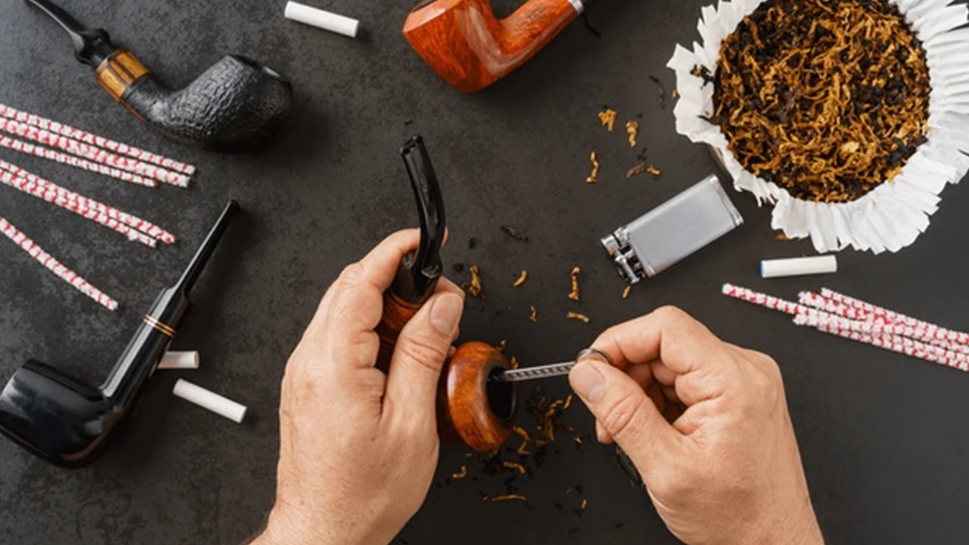
If you want a cooler, better-tasting smoke and a pipe that lasts for years, consistent care matters. In The Ultimate Guide to Pipe Cleaning & Maintenance, you’ll learn how to clean a tobacco pipe step by step, what tools actually help (like pipe cleaners and pipe filters), and how to build a simple routine that prevents sour flavors, moisture problems, and premature wear.
Whether you’re brand new to pipe smoking or refining your setup, this guide covers the practical habits and pipe smoking accessories that make maintenance easy.
Why Pipe Cleaning & Maintenance Matters
Good pipe cleaning and maintenance isn’t just about appearance—it directly affects flavor, airflow, and the longevity of your pipe. Here’s what regular care helps you avoid:
-
Stale or sour taste: Old moisture and residue can quickly dull or distort tobacco flavors.
-
Gurgling and wet smokes: Moisture in the shank and stem disrupts airflow and causes bubbling.
-
Restricted draw: Buildup inside the airway narrows the passage over time.
-
Premature wear: Neglected stems, dirty mortises, and excessive cake can lead to cracks, loose fits, or burnout risk.
A clean pipe smokes drier, tastes cleaner, and is simply more enjoyable to use.
Pipe Cleaning Basics: What You’ll Need

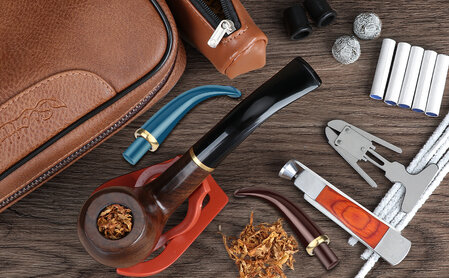
You can keep things simple, but having the right pipe smoking accessories makes maintenance faster and more effective. Consider keeping a small kit with these essentials:
-
Pipe cleaners: Standard and bristle varieties for different levels of residue.
-
Soft cloth: For wiping the bowl exterior and stem.
-
Pipe tool (tamper/scraper/pick): For light scraping and airflow adjustments.
-
Alcohol (high-proof, unflavored): Often used for deeper cleaning (avoid sugary or flavored spirits).
-
Cotton swabs: Useful for mortise and stem work.
-
Pipe filters (optional): For moisture management and a drier smoke depending on your pipe’s design.
If you’re looking to upgrade or replace essentials, explore quality pipe accessories to round out your maintenance routine.
Daily Routine: How to Clean a Tobacco Pipe After Each Smoke
The easiest way to prevent heavy buildup is to do a short cleaning after every bowl. This takes only a couple minutes and reduces the need for frequent deep cleans.
Step 1: Let the pipe cool
Never disassemble or scrape aggressively while the pipe is hot. Heat can make stems fit tighter and increases the risk of cracks or a loosened tenon/mortise fit as materials expand and contract.
Step 2: Empty the bowl gently
Tap out ash using a cork knocker or your palm—avoid banging the rim on hard surfaces. Rim dents and chips are common from overly aggressive tapping.
Step 3: Run pipe cleaners through the stem and shank
Run a standard pipe cleaner from the mouthpiece through to the bowl. If it comes out dark, run another until it’s mostly clean. For stubborn residue, use a bristle cleaner first, followed by a soft one.
Step 4: Light bowl wipe (optional)
If the bowl is damp, lightly twist a pipe cleaner or folded paper towel inside to absorb moisture. Avoid scraping aggressively—your goal is simply to keep moisture under control.
Step 5: Rest the pipe
Resting a pipe helps it dry fully between smokes. Many smokers rotate pipes so each one has time to air out, which reduces gurgle and keeps flavor fresher.
Weekly or Biweekly Cleaning: Removing Buildup Safely

Depending on how often you smoke, plan a more thorough session weekly or every couple weeks. This is the sweet spot for most people: frequent enough to prevent problems, but gentle enough to avoid over-cleaning.
Clean the mortise and tenon area
The mortise (inside the shank) and tenon (stem insert) are prime moisture traps. Use pipe cleaners and cotton swabs to clean these areas. If needed, slightly dampen a swab with alcohol to cut through residue—then follow with a dry swab to remove remaining moisture.
Refresh the airway
Use one or two bristle pipe cleaners to scrub the airway, followed by standard cleaners until they come out clean. This helps prevent restricted draw and keeps the smoke tasting crisp.
Manage cake (carbon layer) in the bowl
A thin, even cake can protect the bowl, but too much can cause cracking or burnout risk due to expansion. A general guideline is keeping cake around the thickness of a dime. If it grows thicker or becomes uneven, gently reduce it with a pipe tool or dedicated reamer—slowly and evenly.
Deep Cleaning: When and How to Do It
Deep cleaning is for when your pipe starts tasting sour, the draw becomes stubborn, or normal cleaning doesn’t restore freshness. For many smokers, deep cleaning is occasional—monthly, every few months, or as needed.
Signs your pipe needs a deep clean
-
Persistent gurgling despite proper packing and cadence
-
Sour or “ghosted” flavors that linger between bowls
-
Pipe cleaners come out extremely dark even after several passes
-
Draw feels tight or uneven
Alcohol-assisted cleaning (carefully)
Alcohol can dissolve tars and freshen an airway, but it should be used thoughtfully:
-
Use sparingly: Dampen, don’t soak. Excess liquid can damage finishes or loosen adhesives in some pipes.
-
Protect the exterior: Avoid spilling alcohol on stained or varnished wood finishes.
-
Focus on the airway: Run alcohol-dampened pipe cleaners through the stem and shank, then follow with dry cleaners.
-
Allow extra dry time: Let the pipe rest 24 hours (or longer) before smoking again.
If you’re unsure about your pipe’s materials or finish, keep deep cleaning conservative or consult the maker’s guidance.
Pipe Filters: Do You Need Them?
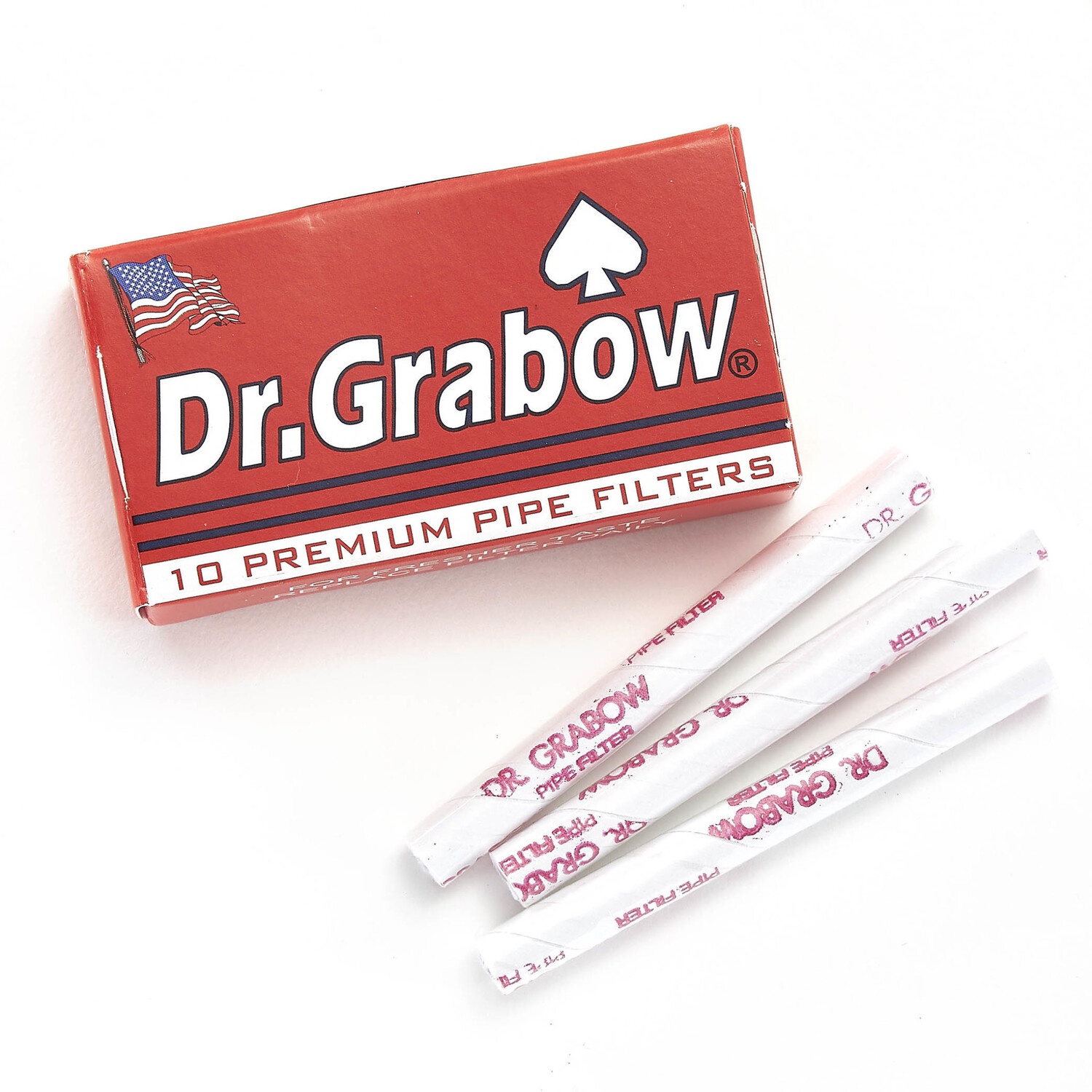
Pipe filters are optional, but they can be very helpful depending on your pipe and smoking style. Some pipes are designed for specific filter sizes (commonly 6mm or 9mm), while others are unfiltered.
Benefits of pipe filters
-
Moisture control: Filters can absorb excess condensation and reduce gurgling.
-
Smoother feel: Some smokers find filtered pipes gentler, especially with certain blends.
-
Cleaner stem: Filters can reduce the amount of residue reaching the mouthpiece.
Things to watch for
-
Airflow changes: A filter may slightly restrict draw; choose the right type and replace it regularly.
-
Replacement schedule: A saturated filter can worsen moisture. Replace per manufacturer guidance (often every 1–3 bowls).
If your pipe supports filters, keeping a supply on hand is a practical part of pipe cleaning and maintenance.
Common Pipe Cleaning Mistakes to Avoid
Many pipe problems come from good intentions paired with the wrong technique. Avoid these frequent missteps:
-
Disassembling a hot pipe: This can loosen the fit or cause cracks over time.
-
Over-reaming the bowl: Removing too much cake exposes raw briar and can lead to hot spots.
-
Using too much alcohol: Flooding the shank can damage finishes and leave lingering odors.
-
Skipping regular cleaning: Waiting until the pipe tastes bad usually means more work later.
-
Rough rim tapping: This chips rims and can ruin the pipe’s appearance.
Storage and Long-Term Care Tips
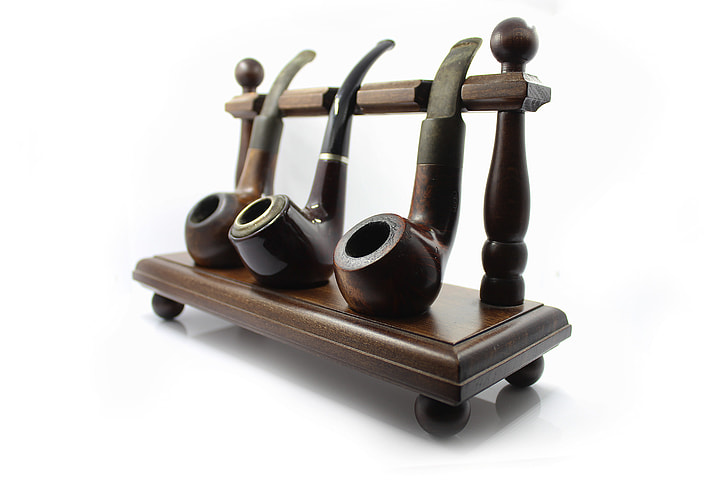
Cleaning is only half the equation—storage and handling also matter.
-
Use a stand or rack: Let pipes rest with airflow around them.
-
Avoid extreme heat/cold: Rapid temperature changes can stress wood and stem materials.
-
Keep stems fresh: Wipe mouthpieces regularly to prevent oxidation and buildup.
-
Rotate pipes if you smoke often: More rest time equals drier smokes and less maintenance hassle.
Quick Reference: A Simple Pipe Maintenance Schedule
If you want an easy routine to follow, use this as a baseline and adjust based on how frequently you smoke:
-
After each smoke: Empty ash, run 1–2 pipe cleaners through stem/shank, wipe bowl if damp, rest pipe.
-
Weekly/biweekly: Clean mortise/tenon, use bristle pipe cleaners, tidy light cake if needed.
-
As needed (monthly/seasonally): Alcohol-assisted airway refresh, deeper residue removal, more careful cake management.
Build Your Kit and Keep Every Bowl Tasting Its Best
Once you know how to clean a tobacco pipe, maintaining it becomes a quick, satisfying ritual—one that protects your investment and improves every smoke. The key is consistency: a couple of minutes after each bowl, plus periodic deeper cleaning, will keep airflow open and flavors bright.
Ready to refresh your routine? Stock up on essentials like pipe cleaners, pipe filters, and other dependable pipe smoking accessories and enjoy a cleaner, smoother smoke starting with your next bowl.
Recent articles
View all
Tabletop vs. Pocket Cutters: Which Is Right for You?

Precision Matters: How a Premium Cutter Improves Flavor